Tag Archive for: Pre-K

As parents, educators, and caregivers, it’s natural to be curious about a child’s development, especially when it comes to identifying giftedness. Gifted children often display unique characteristics that set them apart from their peers, and recognizing these traits early on can pave the way for tailored educational experiences. 

Here’s a comprehensive checklist to help you identify a gifted 5-year-old, covering various aspects of their intellectual, academic, creative, and social abilities. 

General Intellectual Capability

Does your child check off any of the following traits regarding their general intellectual ability? 

  • Curiosity Beyond Age Level: Gifted children often exhibit an insatiable curiosity that goes beyond what is typical for their age group. They may ask complex questions or show a keen interest in a wide range of subjects.
  • Rapid Learning: Pay attention to a child’s ability to grasp new concepts quickly. Gifted 5-year-olds may demonstrate accelerated learning in areas like reading, math, or general knowledge.
  • Advanced Vocabulary: Gifted children tend to have an extensive vocabulary for their age. Look for the use of complex words and the ability to express thoughts with clarity.

Academic Aptitude

Does your child check off any of the following traits regarding their academic aptitude? 

  • Reading Proficiency: Gifted preschoolers may show an early interest in reading and demonstrate reading skills beyond their age group. They may enjoy more advanced books and comprehend complex ideas.
  • Mathematical Prowess: A gifted 5-year-old might display an innate aptitude for mathematics. This can include an understanding of basic mathematical concepts and the ability to solve problems beyond the typical kindergarten level.
  • Love for Learning: Gifted children often display a genuine love for learning. They may independently seek out information and engage in activities that stimulate their intellectual curiosity.

Creative Thinking

Does your child check off any of the following traits regarding their creative thinking skills? 

  • Imaginative Play: Gifted preschoolers often engage in imaginative play beyond the ordinary. Look for signs of elaborate storytelling, creative scenarios, and the ability to think outside the box.Problem-Solving Skills: Gifted children may demonstrate advanced problem-solving skills. They may approach challenges with unique perspectives and devise creative solutions.
  • uncheckedInterest in Artistic Expression: Keep an eye on a child’s interest in artistic activities. Gifted 5-year-olds might have a natural inclination toward drawing, painting, or other forms of artistic expression.

Leadership Ability

Does your child check off any of the following traits regarding their leadership ability? 

  • Natural Leadership: Gifted children may naturally take on leadership roles in group activities. They may exhibit strong organizational skills and an ability to influence their peers positively.
  • Effective Communication: Look for effective communication skills, both verbal and non-verbal. Gifted 5-year-olds may express themselves with confidence and clarity.
  • Cooperative Play: Gifted children often demonstrate an understanding of teamwork and collaboration. They may excel in group activities and show an ability to work well with others. 

Psychomotor Ability

Does your child check off any of the following traits regarding their psychomotor ability?

  • Fine and Gross Motor Skills: Gifted preschoolers may have advanced fine and gross motor skills. This can include precise hand-eye coordination, balance, and agility.
  • Early Interest in Sports: Keep an eye on a child’s interest in sports and physical activities. Gifted 5-year-olds might display exceptional athletic abilities or a keen interest in trying various sports.

Visual and Performing Arts Skills

Does your child check off any of the following traits regarding their visual and performing arts skills? 

  • Musical Talent: Gifted children may show an early interest and talent in music. This can manifest through an ability to sing in tune, play musical instruments, or show a strong rhythmic sense.
  • Visual Arts Aptitude: Look for signs of artistic talent in drawing, painting, or sculpting. Gifted 5-year-olds may express themselves creatively through visual arts.


Traits of a Gifted Child

The intensity, keen observation, and sophisticated sense of humor in gifted 5-year-olds showcase not only their advanced cognitive abilities but also their unique way of engaging with the world. These traits provide a glimpse into the rich inner world of a gifted child and highlight the importance of recognizing and nurturing their exceptional qualities from an early age. Read on to discover more. 

Intensity

Gifted children exhibit a level of intensity that sets them apart in their pursuits. This intensity goes beyond mere interest; it’s a profound, almost all-encompassing passion for the subjects or activities that capture their curiosity. When a gifted 5-year-old finds something they are passionate about, whether it’s dinosaurs, outer space, or building intricate structures with blocks, their focus becomes laser-sharp. 

They immerse themselves wholeheartedly, often losing track of time as they delve into the intricacies of their chosen passion. This heightened intensity can manifest as an insatiable desire to explore, learn, and create within their areas of interest.

Keen Observation

A remarkable trait of gifted 5-year-olds is their exceptional ability to observe and pick up on details that others might easily overlook. Whether exploring nature, playing with toys, or engaging in everyday activities, gifted children possess an acute awareness of their surroundings. They notice the subtleties — the patterns, colors, and shapes — that might escape the attention of their peers. 

This keen observation is indicative of their heightened cognitive abilities and a natural inclination towards analytical thinking. 

Sense of Humor

A sophisticated sense of humor is another distinctive trait often found in gifted children. Gifted 5-year-olds may surprise adults with their wit and capacity for understanding humor that extends beyond their years. This goes beyond simple giggles; gifted children may appreciate wordplay, clever jokes, and humor rooted in a nuanced understanding of language. 

Their ability to grasp and appreciate subtle nuances in humor demonstrates an advanced cognitive grasp of linguistic concepts. Whether it’s a play on words, clever puns, or a quick understanding of jokes, the gifted child’s sense of humor reflects their cognitive agility.

Seeking Professional Guidance

Identifying signs of giftedness in your child is a pivotal moment, and seeking professional guidance is crucial for understanding and supporting their unique abilities. Here are the key benefits of consulting with educators, psychologists, or specialists in gifted education:

In-depth Assessment

Professionals conduct thorough evaluations, providing a comprehensive understanding of your child’s cognitive, emotional, and social strengths.

Tailored Educational Plans

Experts can recommend personalized educational strategies and resources that challenge and stimulate your child’s advanced abilities.

Social and Emotional Support

Addressing unique challenges such as perfectionism or sensitivity, professionals offer strategies for supporting your child’s emotional well-being and positive social interactions.

Continuous Monitoring

Regular consultations ensure ongoing support, adapting educational plans to meet your child’s evolving needs.

Collaboration with Educators

Professionals facilitate communication with teachers, fostering a supportive educational ecosystem responsive to your child’s unique needs.

Future Planning

Guidance extends to future educational trajectories, preparing for advanced coursework, extracurricular opportunities, and transitions to higher education.

Premier Gifted Kindergarten Readiness Program With Cadence Education

Consider enrolling your gifted 5-year-old in a kindergarten readiness program tailored to their abilities. Look for programs like Cadence Education that offer advanced curriculum options, a supportive learning environment, and opportunities for social interaction with peers of similar intellectual capabilities.

Every child is unique, so it’s essential to approach the identification process with sensitivity and an understanding of the wide range of gifted characteristics. With early recognition and appropriate support, gifted children can thrive and reach their full potential. The Cadence Pre-Kindergarten program is ideal for your gifted little one! Contact us today. 

Choosing the right educational path for your child can be an exciting yet daunting task for parents. With various options available, such as preschool, pre-kindergarten (Pre-K), and kindergarten, it’s essential to understand the differences between them to make an informed decision. Each stage plays a crucial role in a child’s early development, setting the foundation for their future academic success. 

In this guide, we’ll compare and contrast preschool, Pre-K, and kindergarten to help parents choose the best educational path for their young learners.

Preschool

Preschool is often the first formal educational experience for children, typically ranging from ages 2 to 5 years old. It focuses on fostering social, emotional, cognitive, and physical development through play-based learning activities. Preschool curriculum may include basic concepts like colors, shapes, numbers, and letters, but the primary emphasis is on building social skills, communication skills, and self-regulation. 

In preschool programs, children learn through exploration, interaction with peers, and hands-on experiences under the guidance of trained educators. Preschool lays the groundwork for academic readiness by nurturing curiosity, creativity, and independence.

Pre-kindergarten (Pre-K)

Pre-kindergarten, or Pre-K, is designed for children aged 4 to 5 years old and serves as a bridge between preschool and kindergarten. While similar to preschool in its play-based approach, Pre-K places a stronger emphasis on academic skills. The curriculum often includes more structured activities to prepare children for the academic expectations of kindergarten. 

In Pre-K, children continue to develop social and emotional skills while also focusing on early literacy, numeracy, and critical thinking skills to promote school readiness. Teachers may introduce basic phonics, math concepts, and pre-writing skills to ensure children are prepared for kindergarten success.

Kindergarten

Kindergarten marks the beginning of formal education for most children, typically starting at age 5 or 6. It builds upon the foundational skills acquired in preschool and Pre-K, with a greater emphasis on academic instruction. Kindergarten curriculum covers essential subjects such as language arts, mathematics, science, and social studies. 

Teachers focus on developing literacy and numeracy skills, including reading fluency, writing proficiency, and basic arithmetic. Additionally, kindergarten provides opportunities for social development, collaboration, and independent learning. By the end of kindergarten, children are expected to possess the skills necessary to thrive in first grade and beyond.

Choosing the Best Option

When it comes to choosing between preschool, Pre-K, and kindergarten, parents are faced with a myriad of factors to consider to ensure they’re making the best decision for their child’s educational journey. 

Let’s delve deeper into each of these factors:

Age and Developmental Stage

Understanding your child’s age and developmental stage is crucial in determining which program will best suit their needs. Each form of schooling has ideal start ages; however, your child may be intellectually/emotionally prepared for schooling at different times. If your child is bored in preschool at an earlier age then you may want to move them to Pre-K before 4. If your child is struggling to keep up in preschool at age 5 then you may want to hold them back for a year. 

Keep in mind that most states have legal requirements for starting kindergarten that you’ll need to be aware of. 

Academic Preparedness

Assessing your child’s readiness to enter kindergarten involves evaluating their foundational skills in language, literacy, and math. In preschool, children are introduced to basic concepts through play-based activities, laying the groundwork for future learning. Pre-K builds upon these skills, introducing more structured activities to prepare children for the academic expectations of kindergarten. 

Parents should observe their child’s ability to follow instructions, recognize letters and numbers, and engage in early literacy and numeracy activities to gauge their readiness for kindergarten.

Socialization and Independence

Early childhood education is not just about academic preparation; it’s also about fostering socialization and independence. 

  1. Preschool provides children with opportunities to interact with peers, develop friendships, and learn important social skills such as sharing, taking turns, and resolving conflicts. 
  2. Pre-K continues to emphasize social development while also encouraging independence and self-regulation skills. 
  3. Kindergarten builds upon these foundations, offering more structured opportunities for collaboration, teamwork, and independent learning.

School Philosophy and Curriculum

Researching the philosophy, curriculum, and teaching approach of each program is essential in finding the best fit for your child. Preschools may vary in their approach, ranging from play-based learning to more structured academic programs. Pre-K programs often incorporate elements of both play-based and structured learning, preparing children for the transition to kindergarten. Kindergarten curriculum typically follows state or national standards, focusing on literacy, numeracy, science, and social studies, but may vary in teaching methods and emphasis on holistic development.

Parental Involvement

Consider the level of parental involvement required or encouraged by each program and assess your availability to support your child’s learning journey. Some preschool and Pre-K programs may offer opportunities for parental involvement through parent-teacher conferences, volunteer opportunities, or family engagement events. 

Kindergarten may also involve parent-teacher collaboration, homework assignments, and school events that require parental participation. Determine how much involvement you are comfortable with and choose a program that aligns with your preferences.

Preschool, Pre-K & Kindergarten at Cadence Education

At Cadence Education, we understand the importance of early childhood education in laying the foundation for lifelong learning and success. Our preschool, Pre-K, and kindergarten programs are meticulously designed to cater to the unique needs of children at different stages of their development.

We ensure your children receive the nurturing care, engaging experiences, and personalized instruction necessary to thrive academically, socially, and emotionally.

Preschool Program: Sparking Curiosity

Our preschool program ignites creativity and curiosity by providing children with unique opportunities to express themselves and explore their interests. Our happy, safe environments are designed to make learning fun and build confidence, instilling a love of learning in each child from an early age. With a specialized curriculum that incorporates rhymes, stories, and hands-on activities, we stimulate children’s curiosity and train them to learn effectively and confidently.

Our loving, caring teachers create a supportive atmosphere where children feel comfortable and excited to come to school. Through teacher-facilitated small group lessons and center-based play experiences, we cater to various skill levels and allow children to flourish at their own pace. We promote: 

  • independence, 
  • patience, 
  • empathy, 
  • creativity, 
  • social awareness, 

and teach important values such as respect and kindness towards others.

Children have the opportunity to experience success through small wins, building confidence and instilling a lifelong love of learning. We celebrate each child’s unique collection of skills, nurturing their individuality and preparing them for future academic success.

Pre-K Program: Building Confidence

Our Pre-K program is specifically designed to prepare students for kindergarten and beyond, focusing on building confidence and independence through individualized instruction. With our Ascend Curriculum, which combines skill-based learning across nine different domains, including literacy, math, science, and social-emotional development, we ensure that children are ready to thrive in kindergarten.

In our Pre-K classrooms, children enjoy safe, nurturing environments where they can focus on learning while having fun. Our skills-based curriculum is teacher-guided and intentionally planned to target growth in specific skills needed in elementary school and beyond. Through developmentally appropriate process-based activities and multi-day projects, we help children think critically, solve problems, and become more independent learners.

Our Pre-K program emphasizes skill acquisition, offering children greater challenge and engagement while preparing them for the academic rigors of elementary school. We continue to celebrate each child’s unique talents and interests, empowering them to thrive in their own ways and pursue their passions with confidence.

Kindergarten Program: Preparing for Elementary School Success

Our full-day, in-person kindergarten program is designed to prepare children developmentally and socially for first grade, offering everything needed to build a strong foundation for academic success. With qualified teachers providing hands-on educational lesson plans and an accredited curriculum highly recognized for its comprehensive approach, we ensure that children receive the personalized instruction and support they need to thrive in kindergarten and beyond.

In our kindergarten classrooms, children engage in social interaction and skills-based activities, continuing their education and social and emotional development in a nurturing environment. With small group sizes and low child-to-adult ratios, we provide ample one-on-one attention, ensuring that each child receives the support they need to succeed.

Our commitment to consistency, safety, and excellence ensures that parents can trust Cadence Education to provide a supportive learning environment where their child can flourish and reach their full potential. With our preschool, Pre-K, and kindergarten programs, we lay the foundation for lifelong learning, empowering children to succeed academically, socially, and emotionally.

Premier Schooling With Cadence Education

Preschool, Pre-K, and kindergarten each play a vital role in a child’s early education journey, offering unique opportunities for growth and development. Understanding the distinct features, goals, and expectations of each stage, parents can make informed decisions that support their child’s academic success and overall well-being. 

Whether your child is ready for preschool, Pre-K, or kindergarten, Cadence Education offers high-quality early childhood education programs designed to nurture your child’s potential and prepare them for a lifetime of learning. 

To learn more about Cadence Education and enroll your child in our nurturing learning community, contact us.

Is your child throwing temper tantrums?

Most toddlers do!

For parents, however, it can be irritating and challenging to deal with. Perhaps you are wondering what the norm is for temper tantrums, how they differ at each age, and how you can manage them as a parent.

In this comprehensive guide, you’ll learn all about temper tantrums at each age and how you can handle them! Read on to learn more!

Table of Contents

Tantrum vs. Meltdown – What’s the Difference?

Tantrums and meltdowns may look very similar at a glance. In fact, many people think they are the same thing. Nonetheless, we’re here to correct this—tantrums and meltdowns are not the same.

Why does this distinction matter?

Because one is on purpose and the other is not. If you punish children for involuntarily breaking down, you could harm them emotionally. Let us explain.

What is a Tantrum?

A tantrum happens when a child is trying to get something s/he wants or needs. The child will have an outburst that involves yelling and crying. When a child has a tantrum, s/he may even stop in the middle to see if the parent or caregiver is looking at him/her and then continue with the outburst.

This is not an appropriate way to express feelings. Often, children will stop when they get what they want or when they realize that having a tantrum won’t solve the problem.


What is a Meltdown?

A meltdown happens when a child is overwhelmed by sensory overload.  Meltdowns may involve yelling, crying, or shutting down.

For example, meltdown may happen after a busy day at an amusement park. While a child may have had tons of fun, s/he was also processing a lot of sounds, sights, tastes, and textures.

Your child can not control a meltdown that is a result of sensory overload.


toddler tantrums

How to Determine If Your Child is Having a Tantrum vs. Meltdown

If you are having a difficult time trying to determine whether your child is having a tantrum or a meltdown, try to evaluate your child’s situation.

For instance, what exactly are you doing when your child has a tantrum or meltdown? You may be in a busy place, such as a mall. Perhaps you and your little one ran errands all day, and now your child is tired. That’s a meltdown.

On the other hand, if your child wants you to buy him/her something and you say no, your child is probably throwing a tantrum, trying to persuade you buy it for them.

To truly determine how your child is reacting, though, tune in to your child’s feelings. You may even sense when these intense feelings are coming on and work to prevent them from erupting by helping your toddler manage his/her complicated emotions or distracting him/her.

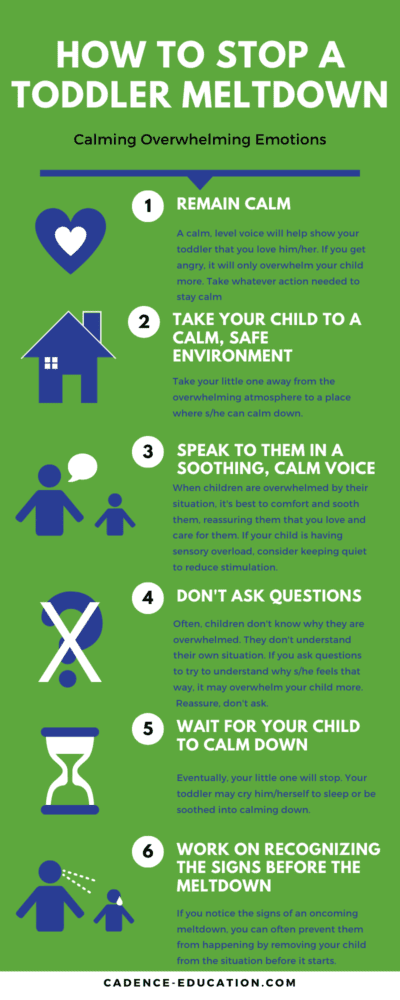
How to Deal with Meltdowns

[Jump to Infographic]

When your child is having a meltdown, help your child find a safe, quiet place to calm down.

For example, if you are in a store while your child starts having a meltdown, step outside or go to your car until your child can calm down.

Be a calming presence to your little one. Try not to talk too much, or keep your voice soft and soothing. Remember, a meltdown is caused by overstimulation. So try to reduce the stimulation to stop the meltdown.

What Does it Mean When Your Child Has Meltdowns Regularly?

If your child seems to be having meltdowns regularly and without apparent sensory overload, it may be due to stress.

Could your child be under stress? If so, what could be causing the stress? Sometimes, it may be because parents are fighting, one parent is sick, or there is some disharmony in the house.

Keep in mind that even toddlers can sense when parents are stressed out. If you are stressed, it may inadvertently cause meltdowns. If that is the case, talk with your child. Be as honest with them as you can, but use language s/he can understand.

Healthy communication will help to ease any anxiety they might have. Be a comforting, calming presence to your little one, showing him/her that you love him/her.

how to stop a toddler meltdown


Why Do Children Throw Tantrums? An Explanation for Every Age

how to stop temper tantrums

Temper tantrums can be stressful for both the parent and child. Nonetheless, as the CDC suggests, understanding and responding appropriately to the tantrum can improve behaviors over time. So, before you throw your hands up in defeat, learn about the various reasons why children of different ages throw temper tantrums. After, we’ll discuss how to handle sporadic tantrums.

baby tantrums

Of course, all babies cry. Usually, it’s because they have a dirty diaper, are hungry, or are tired. Most parents know what it sounds like when their baby is crying because s/he is hurt or uncomfortable. If your baby is crying because of any of these reasons, it’s not considered a tantrum.

Remember, too, that a baby’s only form of communication is crying. If your child is under one year old, s/he is probably not throwing a temper tantrum. Rather, your little one may be tired, hungry, or getting sick. If your baby is often crying and you are unsure why talk to your pediatrician.

1 year old tantrumsMost babies will throw their first tantrum around one year old, give or take a few months. So rest assured that this is normal behavior!

In fact, most toddlers throw tantrums because they are trying to express themselves. Toddlers have a limited vocabulary at this age, making it harder for them to express themselves properly.

Therefore, your one year old may be throwing a tantrum simply because s/he is hungry or tired. On the other hand, your child might be having a tantrum because s/he is frustrated or jealous.

2 year old tantrums

The terrible twos! There’s a reason for this alliterate term. Two-year-olds are usually the most prone to throwing temper tantrums.

Just like the one-year-old, a two-year-old will often throw a tantrum because s/he cannot communicate what s/he wants effectively. Sometimes, your child might not even know what s/he wants. Sometimes, it can become overwhelming for them, and they have a meltdown.

On the other hand, if your child is throwing a temper tantrum because s/he is frustrated because s/he isn’t getting his/her way, you must stand your ground. Don’t encourage bad behavior.

3 year old tantrums

Tantrums for your three year old will usually be caused by the same things that trigger a two-year-old’s tantrum. In other words, your three-year-old may be frustrated, or s/he is having a difficult time expressing him/herself.

Another cause of toddler tantrums is unrealistic expectations or rigid rules. If a child feels that you are putting too much pressure on him/her, it may cause a tantrum to ensue. It’s crucial to find the right balance as a parent. At the same time, your child must learn how to express his/her feelings without exploding.

4 year old tantrum

By this age, temper tantrums should decrease because at this age children are able to communicate their feelings.

However, some four-year-olds still throw tantrums for the same reasons a two or three-year-old will. Often, adults may think that their four-year-old is mature enough not to throw a tantrum. Sadly, if you have thought this, you may be overestimating your little one.

It’s a good idea to talk to your child and help him/her to understand that s/he is in charge of his/her emotions, rather than the feelings being in charge of your child.

Additionally, your child may have specific triggers that cause stress. If certain situations, classes, or activities trigger a tantrum, talk with your child about it. Is it too much for them to handle right now?

Lastly, four year olds could throw temper tantrums because they want something they can’t have.

5 year old tantrums

Now that your child is five years old and well on his/her way to entering elementary school, most tantrums will have ceased by now. However, some children still tend to throw tantrums. Don’t worry—it’s still normal at this age!

Your five year old could be throwing a tantrum because s/he wants something s/he cannot have, is stressed out, hungry, or tired.

If you know these are not the causes of the tantrum, talk to your child to see what may be stressing him/her out. It could be school, family problems, or something else.

On the other hand, if your child is being stubborn or is upset because s/he isn’t getting his/her way, it’s probably because you’ve told him/her no. Don’t give in if your child throws a tantrum. It is more productive to ignore bad behavior.

6 year old tantrumsIf your child is still throwing tantrums by the age of six, it could be because they have a hard time controlling their emotions. Some children feel emotions more strongly than other children.

Another reason may be because your six-year-old has a difficult time explaining his/her feelings or experiences.

Other triggers may be anxiety over certain activities or situations like trouble in school, or overstimulation.

Talk to your child to try to understand what is bothering him/her. Try to pinpoint what situations, activities, or experiences may be causing the anxiety, overstimulation, or loss of emotional control.


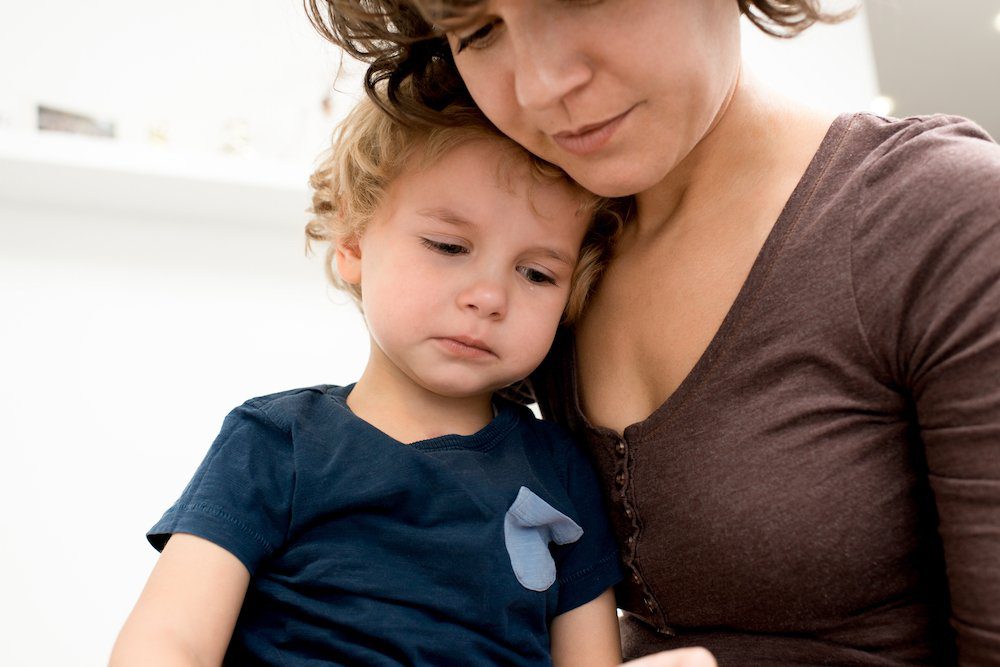
How to Stop Temper Tantrums
how to stop temper tantrums

Identify and Stop Baby Tantrum Triggers

As said before, baby tantrums are inevitable. Children this small can not effectively communicate their problems or thoughts.

For this reason, it is up to the parent to investigate and find the source of their grief. The following questions are a few things you should consider if your baby is throwing a tantrum:

  • Is your little one hungry, tired, or does s/he have a messy diaper?
  • Is your little one too hot or too cold?
  • Could s/he be getting sick?

Some babies throw a tantrum because they are frustrated. If that is the case, help your baby achieve his/her goal or remove the frustration. If your baby is afraid or anxious, cuddle, and comfort your little one, removing him/her from the stressful situation.

Remember, your baby cannot yet communicate with you. The only way s/he can express him/herself is to cry. If your baby is crying intensely or excessively, it’s probably because s/he is trying to tell you something.

However, if your baby is crying because s/he was playing with a confiscated toy, try to find a distraction for him/her. For instance, get your baby excited about a different toy.

Stop and Prevent Further Toddler Temper Tantrums

[Jump to Infographic]

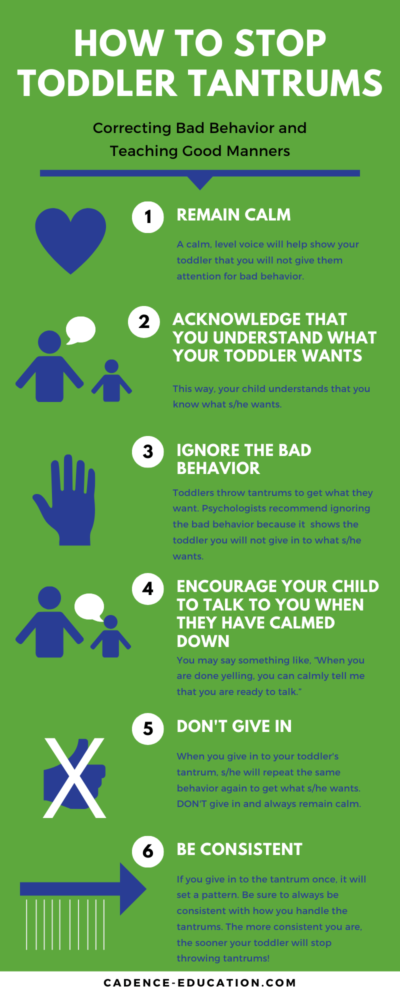
Whatever you do, remain calm. If you try to punish or threaten your child while s/he is already in the throes of a tantrum, the tantrum may escalate. As mentioned, children who have lost control of their emotions may feel anxious or afraid of how they feel. If you yell, it may make the situation worse. Therefore, your first step should be calming down your child without giving in to bad behavior.

Here is how to stop each type of tantrum:

  • Fatigue/frustration tantrums. Give your child a nap or snack, offer help, or take a break from whatever your toddler is doing.
  • Attention-seeking/demanding tantrums. This is often a response to you saying no. Smile, reassure your child you love him/her, make him/her feel safe, and calmly offer to talk to him/her again when s/he is calmer. You may say something like, “When you are done yelling, you can calmly tell me that you are ready to talk.”
  • Refusal tantrum. This happens when the child says no, usually because you’ve asked him/her to do something s/he doesn’t want to do. Try to go easy on your little one if the situation isn’t too critical. If it’s snack time and your child doesn’t want to eat, for instance, don’t force him/her to do it anyway if it will trigger a tantrum.
  • Disruptive tantrums. These usually occur when children are acting up. Place your child in a room by him/herself and give him/her a time out for a few minutes. If you are not at home, take your child outside. Help your child to understand that s/he will not get attention from you or anyone else from misbehaving. Sometimes, toddlers will check to see if you are paying attention to them when they are throwing a tantrum.
  • Rage tantrum. This is when your child loses control physically and emotionally. S/He may scream, kick, or hit, potentially harming him/herself or others. Some toddlers don’t understand the intensity of their own emotions. If you are able, hold your child securely and tell him/her that you will continue doing so until s/he calms down and gains control over him/herself.

Even more, according to the Centers for Disease Control and Prevention, ignoring a temper tantrum can be a positive way to stop them.

Why?

It shows your child that you will not give him/her attention for misbehaving.

If your child is old enough to communicate effectively, talk to him/her. Your child may experience tantrums because s/he is stressed about something s/he is having a hard time explaining.

how to stop toddler tantrums


How to Stop Toddler Bedtime Tantrums

Toddler bedtime tantrums can make bedtime very difficult! Many children make bedtime difficult because they don’t want to go to bed. This is a type of refusal tantrum.

Toddler bedtime tantrums are very common. In fact, bedtime is a learned routine and will get better with consistency.

The best way to stop it is to develop a regular bedtime routine and stick to it every night. For instance, your child’s bedtime routine may start with taking a bath, then move on to brushing teeth, putting PJs on, and reading a bedtime story. Make sure that your child’s bedtime routine is the same every night and takes place at the same time. This way, your child will get used to the idea of winding down for sleep.

Be sure to explain to your toddler what happens next in the routine so s/he knows each step before it happens.

Additionally, if your child doesn’t seem tired at bedtime, you may consider getting rid of nap time. Every child is different, but most children outgrow naps around three years of age. If you are unsure about whether or not your child should have nap time, ask your pediatrician.

Lastly, be sure to reward good behavior, such as with a reward chart. For instance, when your toddler goes to bed without throwing a tantrum all week, perhaps they can stay up an extra thirty minutes on Saturday night, get a new toy, go out for ice cream, get a new bedtime book, or enjoy a trip to the park. A reward chart may encourage good behavior.

Remember, don’t give in to the tantrum. If you allow your child to stay up when they throw a tantrum, s/he will no doubt feel that if s/he throws a tantrum every night, s/he can stay up. This will only start bad habits. Always remember to remain calm and do not encourage bad behavior.

Advice for Parents: How to Deal with Tantrums

Some toddlers throw tantrums often. Therefore, you will have to know more than how to stop tantrums; you also need to know how to deal with toddler temper tantrums.

For instance, it’s always a good idea to have a plan for when your child has a meltdown or tantrum (see the infographics). Your goal should always be to keep your child safe and guide his/her behavior, so the temper tantrum is less likely to happen in the future.

Additionally, find ways to remain calm and keep your composure. Dealing with tantrums can be exhausting and irritating. However, when you yell at your child or give in to your toddler’s demands, it can worsen the situation and even teach your child bad habits.

If tantrums continue to get worse or are becoming too much to bear, you may need to talk to your child’s pediatrician. Keep reading to learn about some tantrum red flags to look out for.

Toddler Tantrums: When to Worry

why do toddlers throw tantrumsAccording to WebMD, there are five red flags when it comes to toddler temper tantrums and when to worry. Here they are:

Firstly, if your toddler is showing aggression toward you, a caregiver, or an object during all or most of his/her tantrums, it may signal a disruptive disorder.

Secondly, children who harm themselves deliberately during a temper tantrum (biting or scratching themselves, banging their heads against a wall, or kicking something in an attempt to hurt themselves) were more likely to have major depression.

Thirdly, preschoolers who have, on average, ten to twenty tantrums a month at home or who have more than five tantrums a day outside of the home may have a serious psychiatric problem.

Fourthly, if children constantly have temper tantrums that last more than twenty-five minutes, it may be a sign of another underlying problem. Keep in mind, though, that a child may have a very long tantrum and be completely normal. It’s when a child continuously has tantrums exceeding twenty-five minutes that a child may have another issue causing it.

Fifthly, if a child cannot calm him/herself down after a tantrum, it may be another red flag that a problem is occurring. These children often require some bribery or physical removal from the situation to calm them down.

If your child is experiencing one or more of these red flags, it may be a sign that s/he has some mental health problem. So what should you do?

Talk to your child’s pediatrician to see if there could be an underlying problem. Also, consider visiting a pediatric neuropsychologist for a broad assessment or see a child psychologist, who will help the child develop emotional control.

Rest assured that most children have tantrums. In fact, seven out of ten 18-24-month-olds throw tantrums, and about 75% of 3-5-year-olds have tantrums as well.

Does Your Child Go to a School that Encourages Good Behavior?

Sometimes, schools and daycares do not have the best system in place when a toddler throws a tantrum. For instance, some teachers may think the child is acting up and discipline him/her for throwing one. Other teachers may be too lenient. If your little one throws a tantrum every day before going to school, the school may be overwhelming or stressful for your little one.

So what’s the solution?

You must find a school or daycare program that encourages good behavior through positivity and a nurturing, loving atmosphere.

For example, Cadence Education makes this a priority to implement in every classroom. Through exceptional education, fun-filled days, and an environment as nurturing as home, your child will no doubt feel safe, happy, and comfortable at Cadence Education!

Additionally, these schools offer parents meaningful communication, so you are always up-to-date with your child’s behavior, activities, and personal growth. Through weekly emails and monthly progress reports, you will always be involved in your child’s daily activities.

With daycare programs for babies and toddlers, as well as kindergarten-readiness programs, your little one will surely get the fun educational experience they deserve.

Find a school near you and schedule a visit today!