Tag Archive for: Preschool

Preschool education is a critical juncture in a child’s early development, offering a host of benefits that can lay the groundwork for future academic achievements and social skills. Nevertheless, before committing to enrolling a child in preschool, parents should assess the array of advantages and potential drawbacks that come with this decision. 

In this comprehensive exploration, we delve into the top six advantages and disadvantages of preschool education.

Disadvantages of Preschool

It’s important to acknowledge that the preschool experience can be complicated, and not every preschool will offer the same advantages. Let’s delve into the challenges that parents might need to navigate.

1. Separation Anxiety

Starting preschool can be emotionally demanding for both children and parents. Separation anxiety, characterized by a child’s distress when separated from their primary caregivers, is a common issue. While it’s a normal part of development, it can make the transition to preschool difficult. Careful communication, gradual separation, and a supportive environment can help ease this process.

2. Potential for Overwhelm

Not all children thrive in the structured environment of preschool. Some may find the experience overwhelming, leading to stress or behavioral issues. It’s important for parents and educators to be attentive to a child’s reactions and provide appropriate support and guidance to help them adjust.

3. Limited Flexibility

Preschool schedules are fixed and may not align with the unique routines of every family. This lack of flexibility can be challenging for parents who have varying work hours or other commitments. Juggling these schedules can sometimes lead to logistical difficulties. This is why it’s vital for each family to select the right preschool for them. 

Advantages of Preschool

With a clear understanding of the potential disadvantages of preschool education, let’s now shift our focus to exploring the potential advantages that parents can look for.

4. Early Educational Development

Preschool serves as a launching pad for a child’s educational journey. This environment is more than just a place of supervision; it’s a structured setting where children engage in purposeful play and age-appropriate learning activities. Early exposure to letters, numbers, shapes, and colors can ignite a child’s curiosity and set the stage for their academic growth. 

Beyond academic subjects, preschool fosters the development of motor skills – both fine and gross. Activities like coloring and building enhance fine motor skills, while physical playtime promotes gross motor skills. These skills are essential for tasks like: 

  • writing, 
  • drawing, 
  • participating in sports,
  • playing an instrument, 
  • fine-tuning coordination,
  • and more.

5. Socialization and Emotional Growth

Preschool acts as a vibrant hub for children to engage with their peers in ways that might seem simple yet are integral to their social development. These interactions encourage the growth of social skills that will prove invaluable throughout their lives. Children learn the art of 

  • sharing toys, 
  • taking turns, 
  • and working together on collaborative tasks.

As they encounter minor conflicts, they naturally begin to navigate these challenges, honing their ability to resolve disputes – a crucial skill that molds their approach to healthy relationships in adulthood.

At preschool, children embark on a journey to understand and express their feelings, cultivating emotional intelligence. As they interact with peers, they learn to perceive and empathize with others’ emotions, creating a foundation for building strong interpersonal connections. This environment also encourages them to manage their own emotions, equipping them with vital coping mechanisms to face life’s ups and downs. 

6. Introduction to Routine and Structure

The introduction to routines and schedules is one of the fundamental advantages that preschool offers. This experience goes beyond preparing children for academic years; it provides them with tools that are critical for navigating the complexities of life. Preschool imparts the significance of adhering to a schedule, instilling values like punctuality and time management from an early age. As children follow a structured routine, they internalize the importance of completing tasks within specific timeframes, a skill that becomes second nature as they transition to more formal education settings.

Routines provide more than just a sense of order; they contribute profoundly to a child’s sense of security and predictability. Knowing what to expect and when provides a comforting framework within which children can safely explore and learn. This type of predictability is absolutely vital for safe and steady development. 

Experience the Advantages of Preschool With Cadence Education

When evaluating whether preschool is the right choice for a child, parents must carefully weigh the benefits against the potential disadvantages. Keep in mind that every child is different, and what works well for one might not suit another.

After thoughtfully examining these advantages and disadvantages, parents can make a well-informed decision that aligns with their child’s unique needs and their family’s circumstances. At Cadence Education, we strive to offer the best preschool environment for children and families. Find a school near you, and start your child at the top preschool around. 

Choosing the right educational path for your child can be an exciting yet daunting task for parents. With various options available, such as preschool, pre-kindergarten (Pre-K), and kindergarten, it’s essential to understand the differences between them to make an informed decision. Each stage plays a crucial role in a child’s early development, setting the foundation for their future academic success. 

In this guide, we’ll compare and contrast preschool, Pre-K, and kindergarten to help parents choose the best educational path for their young learners.

Preschool

Preschool is often the first formal educational experience for children, typically ranging from ages 2 to 5 years old. It focuses on fostering social, emotional, cognitive, and physical development through play-based learning activities. Preschool curriculum may include basic concepts like colors, shapes, numbers, and letters, but the primary emphasis is on building social skills, communication skills, and self-regulation. 

In preschool programs, children learn through exploration, interaction with peers, and hands-on experiences under the guidance of trained educators. Preschool lays the groundwork for academic readiness by nurturing curiosity, creativity, and independence.

Pre-kindergarten (Pre-K)

Pre-kindergarten, or Pre-K, is designed for children aged 4 to 5 years old and serves as a bridge between preschool and kindergarten. While similar to preschool in its play-based approach, Pre-K places a stronger emphasis on academic skills. The curriculum often includes more structured activities to prepare children for the academic expectations of kindergarten. 

In Pre-K, children continue to develop social and emotional skills while also focusing on early literacy, numeracy, and critical thinking skills to promote school readiness. Teachers may introduce basic phonics, math concepts, and pre-writing skills to ensure children are prepared for kindergarten success.

Kindergarten

Kindergarten marks the beginning of formal education for most children, typically starting at age 5 or 6. It builds upon the foundational skills acquired in preschool and Pre-K, with a greater emphasis on academic instruction. Kindergarten curriculum covers essential subjects such as language arts, mathematics, science, and social studies. 

Teachers focus on developing literacy and numeracy skills, including reading fluency, writing proficiency, and basic arithmetic. Additionally, kindergarten provides opportunities for social development, collaboration, and independent learning. By the end of kindergarten, children are expected to possess the skills necessary to thrive in first grade and beyond.

Choosing the Best Option

When it comes to choosing between preschool, Pre-K, and kindergarten, parents are faced with a myriad of factors to consider to ensure they’re making the best decision for their child’s educational journey. 

Let’s delve deeper into each of these factors:

Age and Developmental Stage

Understanding your child’s age and developmental stage is crucial in determining which program will best suit their needs. Each form of schooling has ideal start ages; however, your child may be intellectually/emotionally prepared for schooling at different times. If your child is bored in preschool at an earlier age then you may want to move them to Pre-K before 4. If your child is struggling to keep up in preschool at age 5 then you may want to hold them back for a year. 

Keep in mind that most states have legal requirements for starting kindergarten that you’ll need to be aware of. 

Academic Preparedness

Assessing your child’s readiness to enter kindergarten involves evaluating their foundational skills in language, literacy, and math. In preschool, children are introduced to basic concepts through play-based activities, laying the groundwork for future learning. Pre-K builds upon these skills, introducing more structured activities to prepare children for the academic expectations of kindergarten. 

Parents should observe their child’s ability to follow instructions, recognize letters and numbers, and engage in early literacy and numeracy activities to gauge their readiness for kindergarten.

Socialization and Independence

Early childhood education is not just about academic preparation; it’s also about fostering socialization and independence. 

  1. Preschool provides children with opportunities to interact with peers, develop friendships, and learn important social skills such as sharing, taking turns, and resolving conflicts. 
  2. Pre-K continues to emphasize social development while also encouraging independence and self-regulation skills. 
  3. Kindergarten builds upon these foundations, offering more structured opportunities for collaboration, teamwork, and independent learning.

School Philosophy and Curriculum

Researching the philosophy, curriculum, and teaching approach of each program is essential in finding the best fit for your child. Preschools may vary in their approach, ranging from play-based learning to more structured academic programs. Pre-K programs often incorporate elements of both play-based and structured learning, preparing children for the transition to kindergarten. Kindergarten curriculum typically follows state or national standards, focusing on literacy, numeracy, science, and social studies, but may vary in teaching methods and emphasis on holistic development.

Parental Involvement

Consider the level of parental involvement required or encouraged by each program and assess your availability to support your child’s learning journey. Some preschool and Pre-K programs may offer opportunities for parental involvement through parent-teacher conferences, volunteer opportunities, or family engagement events. 

Kindergarten may also involve parent-teacher collaboration, homework assignments, and school events that require parental participation. Determine how much involvement you are comfortable with and choose a program that aligns with your preferences.

Preschool, Pre-K & Kindergarten at Cadence Education

At Cadence Education, we understand the importance of early childhood education in laying the foundation for lifelong learning and success. Our preschool, Pre-K, and kindergarten programs are meticulously designed to cater to the unique needs of children at different stages of their development.

We ensure your children receive the nurturing care, engaging experiences, and personalized instruction necessary to thrive academically, socially, and emotionally.

Preschool Program: Sparking Curiosity

Our preschool program ignites creativity and curiosity by providing children with unique opportunities to express themselves and explore their interests. Our happy, safe environments are designed to make learning fun and build confidence, instilling a love of learning in each child from an early age. With a specialized curriculum that incorporates rhymes, stories, and hands-on activities, we stimulate children’s curiosity and train them to learn effectively and confidently.

Our loving, caring teachers create a supportive atmosphere where children feel comfortable and excited to come to school. Through teacher-facilitated small group lessons and center-based play experiences, we cater to various skill levels and allow children to flourish at their own pace. We promote: 

  • independence, 
  • patience, 
  • empathy, 
  • creativity, 
  • social awareness, 

and teach important values such as respect and kindness towards others.

Children have the opportunity to experience success through small wins, building confidence and instilling a lifelong love of learning. We celebrate each child’s unique collection of skills, nurturing their individuality and preparing them for future academic success.

Pre-K Program: Building Confidence

Our Pre-K program is specifically designed to prepare students for kindergarten and beyond, focusing on building confidence and independence through individualized instruction. With our Ascend Curriculum, which combines skill-based learning across nine different domains, including literacy, math, science, and social-emotional development, we ensure that children are ready to thrive in kindergarten.

In our Pre-K classrooms, children enjoy safe, nurturing environments where they can focus on learning while having fun. Our skills-based curriculum is teacher-guided and intentionally planned to target growth in specific skills needed in elementary school and beyond. Through developmentally appropriate process-based activities and multi-day projects, we help children think critically, solve problems, and become more independent learners.

Our Pre-K program emphasizes skill acquisition, offering children greater challenge and engagement while preparing them for the academic rigors of elementary school. We continue to celebrate each child’s unique talents and interests, empowering them to thrive in their own ways and pursue their passions with confidence.

Kindergarten Program: Preparing for Elementary School Success

Our full-day, in-person kindergarten program is designed to prepare children developmentally and socially for first grade, offering everything needed to build a strong foundation for academic success. With qualified teachers providing hands-on educational lesson plans and an accredited curriculum highly recognized for its comprehensive approach, we ensure that children receive the personalized instruction and support they need to thrive in kindergarten and beyond.

In our kindergarten classrooms, children engage in social interaction and skills-based activities, continuing their education and social and emotional development in a nurturing environment. With small group sizes and low child-to-adult ratios, we provide ample one-on-one attention, ensuring that each child receives the support they need to succeed.

Our commitment to consistency, safety, and excellence ensures that parents can trust Cadence Education to provide a supportive learning environment where their child can flourish and reach their full potential. With our preschool, Pre-K, and kindergarten programs, we lay the foundation for lifelong learning, empowering children to succeed academically, socially, and emotionally.

Premier Schooling With Cadence Education

Preschool, Pre-K, and kindergarten each play a vital role in a child’s early education journey, offering unique opportunities for growth and development. Understanding the distinct features, goals, and expectations of each stage, parents can make informed decisions that support their child’s academic success and overall well-being. 

Whether your child is ready for preschool, Pre-K, or kindergarten, Cadence Education offers high-quality early childhood education programs designed to nurture your child’s potential and prepare them for a lifetime of learning. 

To learn more about Cadence Education and enroll your child in our nurturing learning community, contact us.

Universal preschool is a concept referring to a publicly funded educational program that offers early childhood learning to all children, typically starting at age four. Its primary objective is to provide high-quality education to all children, irrespective of their income level.

Also called universal pre-K, it has become a popular topic among policymakers and educators who believe it can help improve education standards in the United States. However, some experts have expressed concerns about its cost and effectiveness.

This article delves into the benefits and drawbacks of universal preschool, particularly its advantages and disadvantages.

Pros of Universal Preschool

Universal preschool is seen as a great way to help children who may otherwise not have access to quality early childhood education. Here are its advantages:

Improved School Readiness

Children who participate in high-quality preschool programs tend to be better prepared for kindergarten, both academically and socially. They have higher literacy, numeracy, and language fluency skills than their peers who did not attend.

By starting early, children can develop the fundamental skills they need to succeed in school. Preschool also helps them develop social-emotional skills like self-regulation and empathy, which are crucial for success as they grow older.

Narrowing the Achievement Gap

Universal preschool can help bridge the academic gap. Children from low-income families are at a disadvantage when it comes to education, often due to a lack of access to quality early childhood education programs. Universal preschool can level the playing field by providing every child access to the same high-quality education, thus reducing the disparities in academic achievement between low-income children and their more affluent peers.

Enhanced Student Diversity

By providing every child with access to equal education opportunities, more students from low-income families could be included in the school system. This could lead to a more representative and diverse student population. According to economist Tim Bartik, high-quality pre-K programs can increase the lifetime earnings of middle-class children nearly as much as they can for low-income children.

Increased Parental Employment

Having access to high-quality preschool programs can positively affect parental employment. With universal preschool, parents can work full-time or pursue further education without concerns about the quality and cost of childcare.

Cons of Universal Preschool

On the other hand, the universal pre-K initiative also has its drawbacks. Here are some of its disadvantages:

Cost

The high cost of universal pre-K programs is the most significant disadvantage. Providing high-quality education to all children requires substantial resources, including funding for teachers, materials, and facilities. If such programs are underfunded or inadequately staffed, their effectiveness may be limited.

Quality Control

It may be difficult to ensure that all programs meet the same standards of quality and effectiveness, particularly in a decentralized education system like the United States. The quality of preschool programs can vary widely, even within the same district or state. As a result, ensuring that every child has access to quality education may require considerable coordination and oversight.

Impact on Parental Choice

A government-funded preschool program may limit parents’ ability to choose the type of early childhood education that best suits their children’s needs. Parents may prefer private preschools or choose to homeschool, but universal preschool programs could limit these options. Ensuring that parents have the freedom to make choices about their children’s education is a critical factor to consider when designing a universal preschool program.

Teacher Burnout

Teachers in these programs may face greater workloads and pressure to meet a higher standard of quality than those in private schools or homeschooling. Without appropriate support and resources, teachers may become stressed and overwhelmed, leading to decreased job satisfaction and poorer educational outcomes for students.

Quality Pre-K Education Matters

The debate surrounding universal preschool programs can be complex and divisive. Whether or not such a program is implemented, it’s clear that providing quality early childhood education is key to preparing children for success in school and life. Universal pre-K has the potential to increase access to high-quality education for all children, but any decision should carefully weigh the pros and cons before deciding on the best approach.

Although universal pre-K can be complicated, an increasing number of states and federal politicians, such as Education Secretary Miguel Cardona and even President Joe Biden, are advocating for a national program.

To date, around 17 of 50 U.S. states have adopted some form of universal pre-K system, according to the National Institute for Early Education Research. The remaining states could consider joining these efforts, tailoring their approach to ensure that every child has access to quality education. Ultimately, the success of any universal pre-K program depends on its funding and implementation. With proper resources and support, it can be an effective way to equalize learning.

Universal preschool can be an effective way to ensure that every child has access to quality education, but finding the right program can be difficult. The Cadence Education network of early learning centers strives to provide quality, affordable preschool programs for all children. To learn more about our approach, contact us today or find an affiliated school near you.

Finding the right childcare option for your child is a crucial decision that can significantly impact their development and well-being. With various childcare options available, it’s essential to understand each type to make an informed choice. 

This article explores different childcare options and provides valuable insights into various types of childcare centers and what to look for when choosing the best childcare option for your child.

Nanny Care

Nanny care involves hiring a professional caregiver to provide one-on-one attention to your child within the comfort of your own home. This arrangement offers several benefits, such as personalized care and flexible hours. Nannies can also engage in developmental activities tailored to your child’s specific needs.

It’s essential to thoroughly screen candidates, check references, and conduct background checks. The cost of nanny care can also be higher compared to other childcare options, especially for exclusive arrangements. For families seeking cost-effective childcare, nanny-share options allow two or more families to share the services of a single nanny, reducing individual costs while maintaining quality care.

Religious Care

Religious-based childcare facilities often operate within places of worship, providing care in alignment with specific religious teachings and values. These centers aim to instill religious principles and ethics while offering childcare services. Families who value religious teachings may find comfort in these facilities, as they provide an environment that aligns with their beliefs.

While religious care can nurture children within a specific faith, it may not come with the same level of education and developmental opportunities as other childcare options. 

Daycare

Daycare centers are professionally managed facilities that cater to a broad range of ages, typically from infancy to preschool-age children. These centers offer social interaction opportunities, age-appropriate learning activities, and structured routines, making them an excellent choice for working parents.

Parents should research local regulations and licensing requirements to ensure that the daycare center operates legally and meets safety standards. It’s also crucial to visit the facility, observe how caregivers interact with children, and assess the center’s overall cleanliness and organization.

Preschool

Preschool education is more structured and focused on early learning than typical daycare services. Preschools aim to prepare children for formal schooling through age-appropriate activities that promote cognitive, social, and emotional development.

Attending preschool can benefit children by enhancing their problem-solving skills, encouraging creativity, and promoting positive peer interactions. Parents should consider the quality of the preschool’s curriculum, the qualifications of the teachers, and the school’s philosophy when selecting the best fit for their child.

School-Aged Programs

For school-aged children, there are various options available beyond regular school hours. Before and after-school programs offer a safe and supervised environment for children while parents are at work. These programs often include: 

  • homework assistance, 
  • enrichment activities, 
  • and opportunities for socialization.

Summer camps and holiday programs keep children engaged and entertained during school breaks and holidays. These programs may focus on different interests, providing a balance between academic and recreational activities.

Types of Childcare Centers

Ensuring a clean and safe environment is vital for all childcare centers. Beyond this, there are plenty of specialized centers that offer unique opportunities to your child. Here are some of the best options, both also offered by Cadence Education. 

Montessori Childcare Centers

Montessori childcare centers follow the educational philosophy developed by Dr. Maria Montessori. These centers emphasize a child-led learning approach, allowing children to explore and learn at their own pace. Montessori classrooms are designed to create a prepared environment with age-appropriate materials that foster independence and self-directed learning.

Parents considering Montessori centers should understand the philosophy and observe how the classroom operates. The focus on individualized learning might appeal to some families, while others may prefer a more structured curriculum.

Reggio Emilia Childcare Centers

The Reggio Emilia approach to childcare originated in Italy and emphasizes the importance of child-centered learning. Reggio Emilia childcare centers focus on fostering creativity and collaboration among children. These centers often involve parents and the community in the learning process.

Parents interested in the Reggio Emilia approach should explore how the center incorporates children’s interests into the curriculum and how teachers document and assess children’s progress.

What to Look For in Childcare Facilities

When choosing a childcare facility, several crucial factors should be considered.

Safety and Cleanliness Standards

Ensure that the facility meets safety regulations, including childproofing measures, first aid procedures, and emergency protocols. The cleanliness of the environment plays a significant role in maintaining children’s health and well-being.

Qualified and Caring Staff

Look for caregivers who are experienced, trained in early childhood education, and have a genuine passion for working with children. Warm, responsive caregivers are essential for creating a nurturing environment.

Age-Appropriate Learning Activities

Check if the facility offers age-appropriate activities that promote children’s cognitive, social, emotional, and physical development.

Making the Right Choice for Your Child

When making a decision about childcare, consider the unique needs and personality of your child and the quality of the facility and educators. 

At Cadence Education, we strive to offer the most holistically nurturing environment for your child. 

Contact us today and learn all about the benefits that Cadence Education offers. 

As a parent, you want to do what’s best for your child. However, when it comes to preschool and kindergarten, there can be a lot of confusion over whether or not these are mandatory educational steps that must be taken in order to ensure your child’s success.

The truth is that while preschool isn’t legally required in most states, sending your child to one can have numerous benefits. Not only will they get an early start on learning skills such as reading, writing, and counting, but they’ll also develop social-emotional skills like sharing and problem-solving, which will help them throughout their academic career.

This article explores the requirements for sending children to kindergarten and what parents can expect and gain when they enroll their child in preschool.

General State Kindergarten Requirements

Every state has different requirements when it comes to kindergarten. Generally speaking, most states require that children turn five years old by a certain date to be eligible for kindergarten enrollment. Additionally, some states may require a certain number of days or hours of instruction in order to meet the requirements for starting kindergarten.

In Arizona, for example, children must turn five years old by September 1 to meet the state’s admission requirements for kindergarten. If the governing board considers it to be beneficial for the children, they may allow them access even if the required age is not yet met according to this subsection.

Los Angeles, California has a similar rule. All school districts must accept and enroll children for the new school year who are five years of age by September 1 (EC Section 48000[a]). Moreover, those youngsters whose age makes them suitable for kindergarten can join summer pre-kindergarten programs operated by their local district.

Kindergarten is legally required in most states, but preschool is not. Most states do not require that a child attend preschool to be eligible for kindergarten, so it’s up to parents to decide whether or not it’s the educational step they would like for their family.

Do Kids Have To Go To Preschool? 

Kindergarten offers a great foundation for your child’s academic future, but kindergartners are typically still learning the basics of reading, writing, and counting. So do kids have to go to preschool? Enrolling your child in preschool gives them a head start on these skills before they even enter kindergarten.

Studies show that children who have undergone preschool education are better prepared for kindergarten and have higher achievement levels throughout their academic careers. Preschool can also give your child a chance to develop social-emotional skills such as problem-solving, coping with conflicts, and developing friendships that will help them succeed in school and life.

Many compare preschool education with daycare. However, while they’re both useful in their own ways, preschool focuses more on academic readiness and social-emotional development, whereas daycare is geared more toward providing care for children.

At the preschool level, children learn to recognize letters and numbers, learn the basics of reading and writing, work on counting skills, practice socialization with peers, explore new activities, and build self-confidence. Kindergarten also tackles these, but with more in-depth instruction and learning.

How Do You Know If Your Child Is Ready For Preschool?

Because preschool is not mandatory, it is up to the parent to determine when their child is ready. Some key indicators of readiness include:

  • They can communicate basic needs, such as going to the bathroom or wanting a snack.
  • They recognize numbers and letters when they are spoken aloud.
  • They are beginning to understand basic social cues and are comfortable interacting with adults and other children.
  • They are able to follow directions and have an interest in learning.

Additionally, it’s important to understand that all children develop at different rates. An early start may not necessarily be the best approach for your child. If they don’t seem ready or eager to attend preschool, then you should wait until they are.

What Can You Expect From a Cadence Education School?

Cadence Education schools provide high-quality, age-appropriate preschool lessons that focus on the “whole child” approach in order to ensure your child is receiving the best possible education. At a Cadence school, you can expect:

  • Developmentally appropriate curriculum that focuses on the physical, intellectual, and social-emotional needs of your child.
  • Experienced educators who are dedicated to creating an environment of learning through exploration and meaningful activities.
  • Comprehensive assessments to measure children’s progress over time.
  • An emphasis on school readiness skills, such as letter and number recognition, problem-solving, creativity, communication, and collaboration.

Preschool is a great way to prepare your child for a successful transition into kindergarten. By enrolling them in one of our well-rounded preschool programs from the Cadence Education network, you can be sure they will have all the tools they need to excel in their educational journey.

Contact a Cadence Education school near you for inquiries or to schedule a visit. We welcome you and your family to join us as we help your child build a strong foundation for their future success.

Taking your little one to preschool is a huge milestone. It means they’re growing up and it’s time for them to start their educational journey in a school environment. If you’ve decided to look into preschool for your child, you may wonder, how much does preschool cost? Read on to learn more about what you can expect to pay when sending your child to preschool. 

How Much Does Preschool Cost?

In many cases, preschool costs money. While there are some free, public preschool programs through school districts and community organizations, the average cost of preschool in the U.S. sits at $889 per month, according to the Center for American Policy. This amounts to an average of $10,668 per year. 

Preschool costs generally come in the form of program fees or tuition. The funds go toward maintaining the facilities, paying the staff and educators, providing snacks, and other operational expenses. 

This average cost of preschool is just that — an average. The actual costs vary widely from state to state and even city to city. Arizona boasts an average monthly preschool cost of $787 per month coming in below the national average. Washington D.C., however, has one of the highest national averages for child care costs coming in at $1,372 per month for preschool. 

Costs by Preschool Type

When trying to determine how much preschool costs, you’ll want to consider the type of preschool you want them to go to. You have a number of options on this front including specialized private preschools, bilingual preschools, public preschool programs, Montessori preschools, and more. Here’s a look at some of the most popular preschool types and their respective costs. 

Public Preschool Cost

Some areas have public preschools associated with the local school districts. These programs aren’t offered everywhere, so you’ll want to do some research to see if any public programs are available in your area. Because these programs are publicly funded, parents don’t have to pay any tuition or fees. These programs may be half-day or full-day programs, and typically have slightly larger class sizes than private preschools. 

Private Preschool Cost

Private preschools are owned privately and may lean into a specific specialty or focus area. Some private preschools focus on language immersion and teaching children to speak a second language. Other private preschools are operated by churches or religious organizations, offering an educational experience that incorporates religious values and principles. 

The primary determinant for private preschool cost is the location, program itself, and program length. Some private preschools offer year-long programs. Others may offer 9-10 month programs. Many private preschools also offer both full-day and half-day programs.

As a general rule, full-day and full-year programs are typically more expensive than half-day and partial-year programs. The average annual cost of preschool for full-time, full-year programs is $13,655 per child. 

Montessori Preschool Cost

Montessori preschool programs, which follow the Montessori method developed by Dr. Maria Montessori, are another segment of private preschools. These programs focus on self-directed, hands-on learning, encouraging children to play, explore, and be curious. Tuition for Montessori preschools is set by each individual school. However, Montessori preschool costs often range from $5,000 to $20,000 per year.

Why Preschool Is Worth The Investment

It’s no secret that preschool costs can add up. But, is it worth the investment? Countless research shows that yes, it is. Children who attend preschool are consistently more prepared for Kindergarten than their counterparts who did not attend. Additionally, studies show children who attend preschool reap the benefits of their preschool education long into adulthood. Investing in preschool is investing in your child’s future and setting them up for success. 

Affording Preschool for Your Child

If you want to send your child to preschool but are concerned about the cost, now is the perfect time to do your research. Hop online to see if your local school district has a public preschool program. Additionally, look into your company’s benefits package. Some organizations have corporate discount programs or childcare programs that may apply to preschool. 

Then, take advantage of any child care tax credits you may be eligible for. You may be able to receive cash to apply toward preschool for your children. Additionally, some states have child care subsidy programs that can help fund preschool. Learn more about what resources are available in your state. 

Your Choices When It Comes To Preschool

As a parent, you get to choose if, when, and where your child attends preschool. As you’re doing your research, consider Cadence Education. Cadence has a network of more than 250 excellent private preschools and elementary schools throughout the United States. 

Your child will be able to learn, play, and grow in an environment that’s safe, nurturing, and filled with staff that is dedicated to your child’s success. If you’ve already experienced the Cadence Education difference, share the love. You can earn a $100 credit toward your child’s tuition when someone you refer enrolls at Cadence Education. 

Contact Cadence Education today to learn more about our preschool programs and how you can get started today!

As the new school year rolls around, you may be looking into what preschool to send your child to. You’ll be researching programs and investigating requirements to see where your child will best fit. One of these requirements may be a preschool potty training policy. That’s right — the time has finally come to make sure your child is potty trained and ready for this new chapter of life. Read on to learn more about preschool potty training policies and tips for potty training your child.

Preschool Potty Training Requirements

So, does a child have to be potty trained for preschool? The answer depends on the program your child is enrolled in.

In general, most programs for children ages three and up will require that your child be potty trained before starting. Programs for younger children often won’t require potty training and will provide information regarding how they assist in the potty training process.

The best course of action is to contact the specific school your child will be attending to verify their preschool potty training policy.

Tips for Potty Training Your Child

As preschool nears, potty training your child may be on your list of preparations for the transition into the school environment. But how do you potty train your child?

There are a few tips and tricks you can follow to train your child and get them ready to meet preschool potty training policies. Keep reading to learn what these tips are and how to prepare for this new stage in your child’s life.

Meet with the Teacher

Preschool teachers are often equipped with the knowledge and experience that can help you with potty training your child. If your child is attending a preschool that does not have a potty training requirement, you may be able to enlist the assistance of the teacher with potty training. It can also be helpful to check in with your child’s teacher about potty training progress and ensure they’re on the right track.

Pack Extra Diapers

In the situation that your child is enrolled in a preschool without a potty training policy, you’ll want to pack additional diapers in their bag. This way, your child will be prepared with all the supplies they need in the instance of an accident and won’t need to sit in the discomfort of their dirty diaper all day.

Create a Schedule

As you potty train your child, try to stick to a routine schedule. It may be beneficial to have your child try and use the bathroom after each meal since this may best match the bathroom breaks at preschool as well. As your child becomes more familiar with this routine, it will make using the bathroom more comfortable over time.

Use a Reward System

Negative reinforcement to potty training often leads to more accidents and a decreased motivation to continue training. Instead, consider implementing a reward system that encourages your child each time they successfully use the bathroom on their own.

Stay Patient

Children are great at picking up on parental emotions, so staying patient is essential to reducing your child’s discomfort and stress. Keep a positive mindset and try not to react negatively if an accident occurs as it can be discouraging for your child.

Frequently Asked Questions

At what age should you start potty training your child?
On average, children are ready to begin potty training between 18 and 24 months. However, some children may need more time before they feel comfortable potty training. It’s important not to rush your child into this new chapter of life as the added pressure can delay training.

What are the signs your child is ready for potty training?
Some of the major signs that your child may be ready for potty training include mimicking bathroom behaviors of others in the household and hiding to use the bathroom. Your child may also begin sitting on the potty for extended periods of time.

What should you do if your child is upset with potty training?
The first step is to not force your child to use the bathroom. Forcing them to try and potty train will likely increase their discomfort and make them less interested in training. Be patient and do what you can to ease your child’s fears. Try using a positive reward system to encourage bathroom usage.

When should you switch from diapers to underwear?
Once your child begins showing discomfort with their diapers, it may be time to switch to underwear. It may be beneficial to start with purchasing the underwear and introducing them to your child as an option. Let them lead the transition slowly so they feel comfortable switching from their normal snug-fit diapers to regular underwear.

How should you respond to accidents?
Reacting negatively can discourage your child from wanting to continue with potty training. Instead, be patient and comfort your child. Accidents are bound to happen during the potty training process, but going back to the basics and offering encouragement can help reduce those accidents.

Access Helpful Resources with Cadence Education

As you navigate potty training, don’t be afraid to lean on your child’s preschool for additional assistance. Toddler care programs like the ones offered at Cadence Education have trained professionals ready to help you and your child through the potty training process. Our school also offers additional resources to help your potty training days run smoothly.

Contact Cadence Education today or find a school near you to learn more about our preschool potty training policies and program options!

When faced with so many educational options and the competing theories behind them, determining how to best educate your children and in which setting can easily overwhelm any parent.

Is traditional schooling the way to go, or should you give the Montessori method a try?

When it comes to Montessori vs. traditional preschool, comparing and contrasting them to make a more informed decision is the best thing to do.

What is a Montessori Preschool?

So, what is a Montessori preschool program? Developed in the early 1900s by Italian educator Dr. Maria Montessori, the Montessori program is quite different from that seen in a traditional educational setting. Dr. Montessori believed that kids learn best when they’re able to choose what they want to learn, and Montessori schools, classrooms, and teaching methods are designed with this child-centered philosophy in mind.

Play-Based vs. Work-Based Learning

Both traditional and Montessori preschools are centered around play, with the major difference being the point of playtime for children in each setting. For instance, traditional preschools allow kids to play in a more unstructured way. The belief behind this choice is that learning can happen through both playing and the social interactions that take place with other children while they play.

On the other hand, play in a Montessori setting is considered a child’s “work” and part of the learning process. In a traditional setting, all sorts of toys may be present, but in a Montessori classroom, the toys available to children primarily help to further the learning process.

Teacher-Oriented vs. Child-Oriented

In a teacher-oriented traditional class, a well-trained professional can help inform and actively guide students to knowledge and understanding directly according to a set schedule. The Montessori classroom setting is more child-oriented, allowing them to discover the world around them and gain knowledge in a more organic, self-paced way.

Montessori classrooms are teacher-guided, with teachers providing materials and activities designed to target certain skills. Nonetheless, students set the pace and make their own discoveries while teachers observe and provide support where needed.

Classroom Environment

Traditional preschool classrooms tend to be more colorful. Toys may be on the floor or haphazardly situated on different shelves of different heights all around the room.

Montessori classrooms are designed to encourage enthusiasm and a love for learning. Classrooms are welcoming, clean, and organized to create fewer distractions so children can focus primarily on their skills.

Class Size Difference

Traditional preschools tend to tolerate higher teacher-to-student ratios, given that traditional preschools often receive high levels of applications. Teachers are nevertheless dedicated to their students, however big the ratio.

Montessori classes usually have a smaller teacher-to-student ratio, where students can receive more one-on-one support. In many cases, there are two teachers or one teacher with at least one assistant in every Montessori classroom.

Group vs. Individual Work

Traditional preschools are, at their core, social environments. Kids play with each other and learn with each other, building relationships that may end up following them into kindergarten, elementary school, and beyond. In a traditional preschool, kids more or less learn the same things at the same time, in the same ways, and are expected to meet the same benchmarks.

Montessori preschools are focused more on individualized learning. There is less overall structure and more freedom for children to learn at their own pace. Likewise, the Montessori setting encourages a more independent mindset and “work” environment. However, students are still encouraged to collaborate and develop vital social skills that they’ll carry throughout their education.

Choose the Perfect Preschool with Cadence Education.

Hopefully, you now have a better idea of what lies in store for kids in a Montessori vs. traditional preschool setting, which can help you make that big educational decision. If the choice still seems daunting, though, Cadence Education is available to help.

Dedicated to promoting your child’s creativity and helping them get a skills-based education, and with hundreds of locations, Cadence Education wants children to be able to think critically, solve problems, and become more independent.

If this sounds appealing to you, get in touch with Cadence Education today to help your children set out on their learning journey and ascend to new educational heights.

Is your child throwing temper tantrums?

Most toddlers do!

For parents, however, it can be irritating and challenging to deal with. Perhaps you are wondering what the norm is for temper tantrums, how they differ at each age, and how you can manage them as a parent.

In this comprehensive guide, you’ll learn all about temper tantrums at each age and how you can handle them! Read on to learn more!

Table of Contents

Tantrum vs. Meltdown – What’s the Difference?

Tantrums and meltdowns may look very similar at a glance. In fact, many people think they are the same thing. Nonetheless, we’re here to correct this—tantrums and meltdowns are not the same.

Why does this distinction matter?

Because one is on purpose and the other is not. If you punish children for involuntarily breaking down, you could harm them emotionally. Let us explain.

What is a Tantrum?

A tantrum happens when a child is trying to get something s/he wants or needs. The child will have an outburst that involves yelling and crying. When a child has a tantrum, s/he may even stop in the middle to see if the parent or caregiver is looking at him/her and then continue with the outburst.

This is not an appropriate way to express feelings. Often, children will stop when they get what they want or when they realize that having a tantrum won’t solve the problem.


What is a Meltdown?

A meltdown happens when a child is overwhelmed by sensory overload.  Meltdowns may involve yelling, crying, or shutting down.

For example, meltdown may happen after a busy day at an amusement park. While a child may have had tons of fun, s/he was also processing a lot of sounds, sights, tastes, and textures.

Your child can not control a meltdown that is a result of sensory overload.


toddler tantrums

How to Determine If Your Child is Having a Tantrum vs. Meltdown

If you are having a difficult time trying to determine whether your child is having a tantrum or a meltdown, try to evaluate your child’s situation.

For instance, what exactly are you doing when your child has a tantrum or meltdown? You may be in a busy place, such as a mall. Perhaps you and your little one ran errands all day, and now your child is tired. That’s a meltdown.

On the other hand, if your child wants you to buy him/her something and you say no, your child is probably throwing a tantrum, trying to persuade you buy it for them.

To truly determine how your child is reacting, though, tune in to your child’s feelings. You may even sense when these intense feelings are coming on and work to prevent them from erupting by helping your toddler manage his/her complicated emotions or distracting him/her.

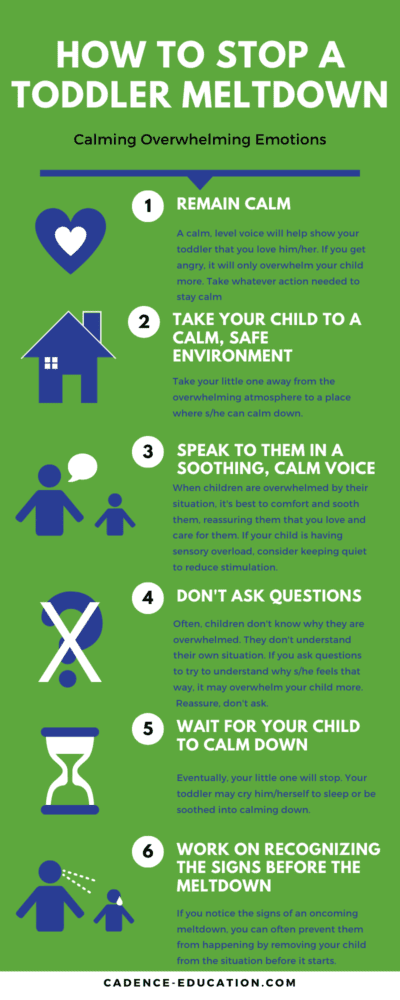
How to Deal with Meltdowns

[Jump to Infographic]

When your child is having a meltdown, help your child find a safe, quiet place to calm down.

For example, if you are in a store while your child starts having a meltdown, step outside or go to your car until your child can calm down.

Be a calming presence to your little one. Try not to talk too much, or keep your voice soft and soothing. Remember, a meltdown is caused by overstimulation. So try to reduce the stimulation to stop the meltdown.

What Does it Mean When Your Child Has Meltdowns Regularly?

If your child seems to be having meltdowns regularly and without apparent sensory overload, it may be due to stress.

Could your child be under stress? If so, what could be causing the stress? Sometimes, it may be because parents are fighting, one parent is sick, or there is some disharmony in the house.

Keep in mind that even toddlers can sense when parents are stressed out. If you are stressed, it may inadvertently cause meltdowns. If that is the case, talk with your child. Be as honest with them as you can, but use language s/he can understand.

Healthy communication will help to ease any anxiety they might have. Be a comforting, calming presence to your little one, showing him/her that you love him/her.

how to stop a toddler meltdown


Why Do Children Throw Tantrums? An Explanation for Every Age
how to stop temper tantrums

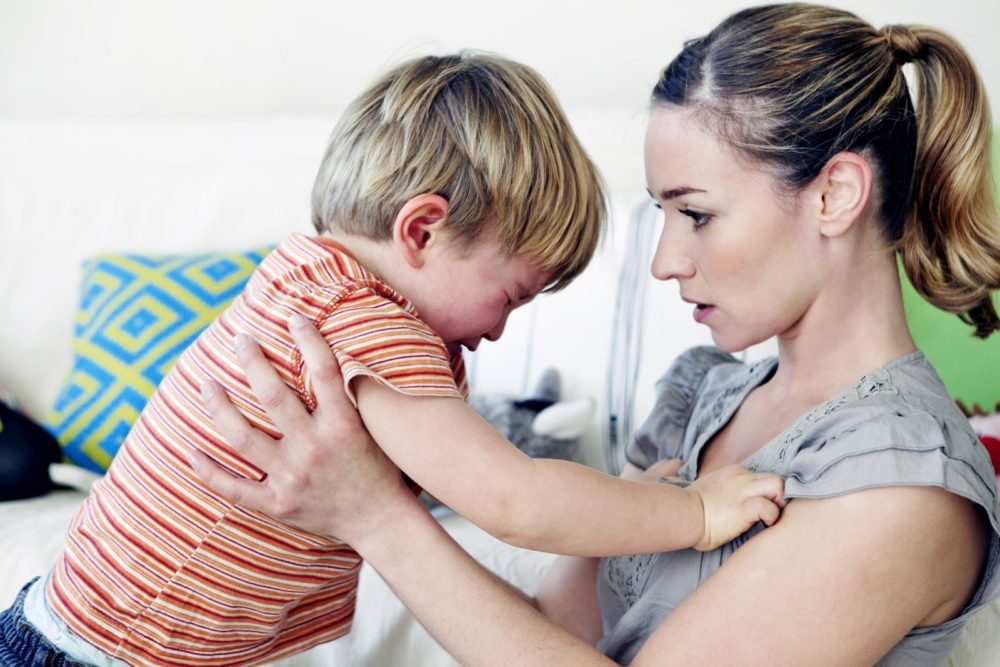
Temper tantrums can be stressful for both the parent and child. Nonetheless, as the CDC suggests, understanding and responding appropriately to the tantrum can improve behaviors over time. So, before you throw your hands up in defeat, learn about the various reasons why children of different ages throw temper tantrums. After, we’ll discuss how to handle sporadic tantrums.

baby tantrums

Of course, all babies cry. Usually, it’s because they have a dirty diaper, are hungry, or are tired. Most parents know what it sounds like when their baby is crying because s/he is hurt or uncomfortable. If your baby is crying because of any of these reasons, it’s not considered a tantrum.

Remember, too, that a baby’s only form of communication is crying. If your child is under one year old, s/he is probably not throwing a temper tantrum. Rather, your little one may be tired, hungry, or getting sick. If your baby is often crying and you are unsure why talk to your pediatrician.

1 year old tantrumsMost babies will throw their first tantrum around one year old, give or take a few months. So rest assured that this is normal behavior!

In fact, most toddlers throw tantrums because they are trying to express themselves. Toddlers have a limited vocabulary at this age, making it harder for them to express themselves properly.

Therefore, your one year old may be throwing a tantrum simply because s/he is hungry or tired. On the other hand, your child might be having a tantrum because s/he is frustrated or jealous.

2 year old tantrums

The terrible twos! There’s a reason for this alliterate term. Two-year-olds are usually the most prone to throwing temper tantrums.

Just like the one-year-old, a two-year-old will often throw a tantrum because s/he cannot communicate what s/he wants effectively. Sometimes, your child might not even know what s/he wants. Sometimes, it can become overwhelming for them, and they have a meltdown.

On the other hand, if your child is throwing a temper tantrum because s/he is frustrated because s/he isn’t getting his/her way, you must stand your ground. Don’t encourage bad behavior.

3 year old tantrums

Tantrums for your three year old will usually be caused by the same things that trigger a two-year-old’s tantrum. In other words, your three-year-old may be frustrated, or s/he is having a difficult time expressing him/herself.

Another cause of toddler tantrums is unrealistic expectations or rigid rules. If a child feels that you are putting too much pressure on him/her, it may cause a tantrum to ensue. It’s crucial to find the right balance as a parent. At the same time, your child must learn how to express his/her feelings without exploding.

4 year old tantrum

By this age, temper tantrums should decrease because at this age children are able to communicate their feelings.

However, some four-year-olds still throw tantrums for the same reasons a two or three-year-old will. Often, adults may think that their four-year-old is mature enough not to throw a tantrum. Sadly, if you have thought this, you may be overestimating your little one.

It’s a good idea to talk to your child and help him/her to understand that s/he is in charge of his/her emotions, rather than the feelings being in charge of your child.

Additionally, your child may have specific triggers that cause stress. If certain situations, classes, or activities trigger a tantrum, talk with your child about it. Is it too much for them to handle right now?

Lastly, four year olds could throw temper tantrums because they want something they can’t have.

5 year old tantrums

Now that your child is five years old and well on his/her way to entering elementary school, most tantrums will have ceased by now. However, some children still tend to throw tantrums. Don’t worry—it’s still normal at this age!

Your five year old could be throwing a tantrum because s/he wants something s/he cannot have, is stressed out, hungry, or tired.

If you know these are not the causes of the tantrum, talk to your child to see what may be stressing him/her out. It could be school, family problems, or something else.

On the other hand, if your child is being stubborn or is upset because s/he isn’t getting his/her way, it’s probably because you’ve told him/her no. Don’t give in if your child throws a tantrum. It is more productive to ignore bad behavior.

6 year old tantrumsIf your child is still throwing tantrums by the age of six, it could be because they have a hard time controlling their emotions. Some children feel emotions more strongly than other children.

Another reason may be because your six-year-old has a difficult time explaining his/her feelings or experiences.

Other triggers may be anxiety over certain activities or situations like trouble in school, or overstimulation.

Talk to your child to try to understand what is bothering him/her. Try to pinpoint what situations, activities, or experiences may be causing the anxiety, overstimulation, or loss of emotional control.


How to Stop Temper Tantrums
how to stop temper tantrums

Identify and Stop Baby Tantrum Triggers

As said before, baby tantrums are inevitable. Children this small can not effectively communicate their problems or thoughts.

For this reason, it is up to the parent to investigate and find the source of their grief. The following questions are a few things you should consider if your baby is throwing a tantrum:

  • Is your little one hungry, tired, or does s/he have a messy diaper?
  • Is your little one too hot or too cold?
  • Could s/he be getting sick?

Some babies throw a tantrum because they are frustrated. If that is the case, help your baby achieve his/her goal or remove the frustration. If your baby is afraid or anxious, cuddle, and comfort your little one, removing him/her from the stressful situation.

Remember, your baby cannot yet communicate with you. The only way s/he can express him/herself is to cry. If your baby is crying intensely or excessively, it’s probably because s/he is trying to tell you something.

However, if your baby is crying because s/he was playing with a confiscated toy, try to find a distraction for him/her. For instance, get your baby excited about a different toy.

Stop and Prevent Further Toddler Temper Tantrums

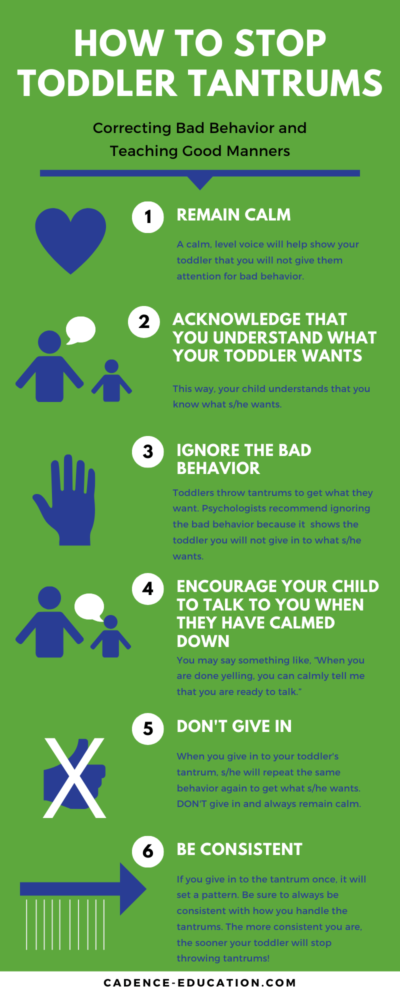
[Jump to Infographic]

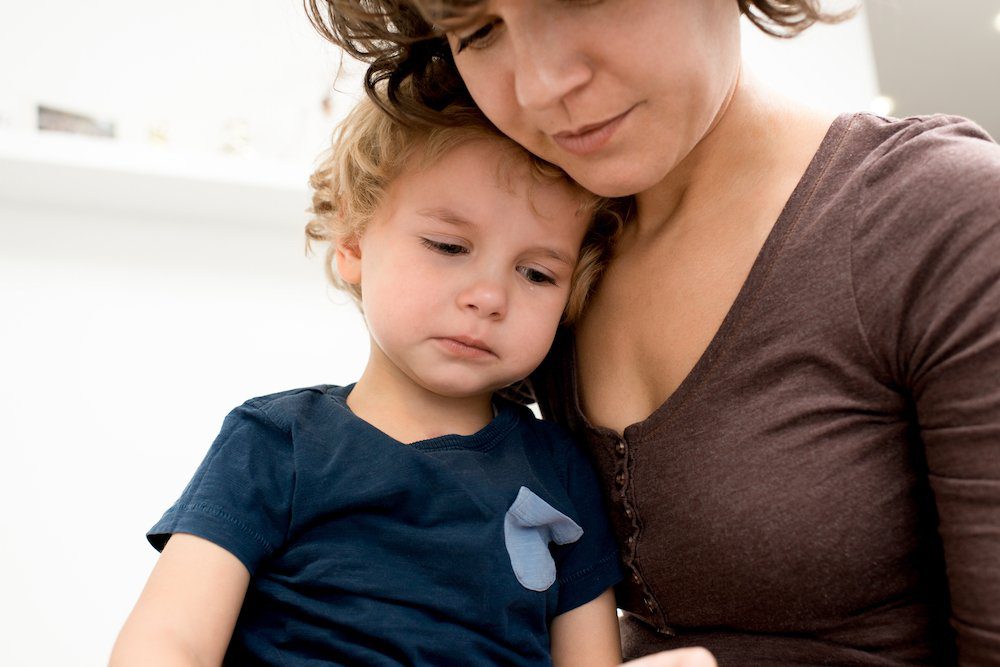
Whatever you do, remain calm. If you try to punish or threaten your child while s/he is already in the throes of a tantrum, the tantrum may escalate. As mentioned, children who have lost control of their emotions may feel anxious or afraid of how they feel. If you yell, it may make the situation worse. Therefore, your first step should be calming down your child without giving in to bad behavior.

Here is how to stop each type of tantrum:

  • Fatigue/frustration tantrums. Give your child a nap or snack, offer help, or take a break from whatever your toddler is doing.
  • Attention-seeking/demanding tantrums. This is often a response to you saying no. Smile, reassure your child you love him/her, make him/her feel safe, and calmly offer to talk to him/her again when s/he is calmer. You may say something like, “When you are done yelling, you can calmly tell me that you are ready to talk.”
  • Refusal tantrum. This happens when the child says no, usually because you’ve asked him/her to do something s/he doesn’t want to do. Try to go easy on your little one if the situation isn’t too critical. If it’s snack time and your child doesn’t want to eat, for instance, don’t force him/her to do it anyway if it will trigger a tantrum.
  • Disruptive tantrums. These usually occur when children are acting up. Place your child in a room by him/herself and give him/her a time out for a few minutes. If you are not at home, take your child outside. Help your child to understand that s/he will not get attention from you or anyone else from misbehaving. Sometimes, toddlers will check to see if you are paying attention to them when they are throwing a tantrum.
  • Rage tantrum. This is when your child loses control physically and emotionally. S/He may scream, kick, or hit, potentially harming him/herself or others. Some toddlers don’t understand the intensity of their own emotions. If you are able, hold your child securely and tell him/her that you will continue doing so until s/he calms down and gains control over him/herself.

Even more, according to the Centers for Disease Control and Prevention, ignoring a temper tantrum can be a positive way to stop them.

Why?

It shows your child that you will not give him/her attention for misbehaving.

If your child is old enough to communicate effectively, talk to him/her. Your child may experience tantrums because s/he is stressed about something s/he is having a hard time explaining.

how to stop toddler tantrums


How to Stop Toddler Bedtime Tantrums

Toddler bedtime tantrums can make bedtime very difficult! Many children make bedtime difficult because they don’t want to go to bed. This is a type of refusal tantrum.

Toddler bedtime tantrums are very common. In fact, bedtime is a learned routine and will get better with consistency.

The best way to stop it is to develop a regular bedtime routine and stick to it every night. For instance, your child’s bedtime routine may start with taking a bath, then move on to brushing teeth, putting PJs on, and reading a bedtime story. Make sure that your child’s bedtime routine is the same every night and takes place at the same time. This way, your child will get used to the idea of winding down for sleep.

Be sure to explain to your toddler what happens next in the routine so s/he knows each step before it happens.

Additionally, if your child doesn’t seem tired at bedtime, you may consider getting rid of nap time. Every child is different, but most children outgrow naps around three years of age. If you are unsure about whether or not your child should have nap time, ask your pediatrician.

Lastly, be sure to reward good behavior, such as with a reward chart. For instance, when your toddler goes to bed without throwing a tantrum all week, perhaps they can stay up an extra thirty minutes on Saturday night, get a new toy, go out for ice cream, get a new bedtime book, or enjoy a trip to the park. A reward chart may encourage good behavior.

Remember, don’t give in to the tantrum. If you allow your child to stay up when they throw a tantrum, s/he will no doubt feel that if s/he throws a tantrum every night, s/he can stay up. This will only start bad habits. Always remember to remain calm and do not encourage bad behavior.

Advice for Parents: How to Deal with Tantrums

Some toddlers throw tantrums often. Therefore, you will have to know more than how to stop tantrums; you also need to know how to deal with toddler temper tantrums.

For instance, it’s always a good idea to have a plan for when your child has a meltdown or tantrum (see the infographics). Your goal should always be to keep your child safe and guide his/her behavior, so the temper tantrum is less likely to happen in the future.

Additionally, find ways to remain calm and keep your composure. Dealing with tantrums can be exhausting and irritating. However, when you yell at your child or give in to your toddler’s demands, it can worsen the situation and even teach your child bad habits.

If tantrums continue to get worse or are becoming too much to bear, you may need to talk to your child’s pediatrician. Keep reading to learn about some tantrum red flags to look out for.

Toddler Tantrums: When to Worry

why do toddlers throw tantrumsAccording to WebMD, there are five red flags when it comes to toddler temper tantrums and when to worry. Here they are:

Firstly, if your toddler is showing aggression toward you, a caregiver, or an object during all or most of his/her tantrums, it may signal a disruptive disorder.

Secondly, children who harm themselves deliberately during a temper tantrum (biting or scratching themselves, banging their heads against a wall, or kicking something in an attempt to hurt themselves) were more likely to have major depression.

Thirdly, preschoolers who have, on average, ten to twenty tantrums a month at home or who have more than five tantrums a day outside of the home may have a serious psychiatric problem.

Fourthly, if children constantly have temper tantrums that last more than twenty-five minutes, it may be a sign of another underlying problem. Keep in mind, though, that a child may have a very long tantrum and be completely normal. It’s when a child continuously has tantrums exceeding twenty-five minutes that a child may have another issue causing it.

Fifthly, if a child cannot calm him/herself down after a tantrum, it may be another red flag that a problem is occurring. These children often require some bribery or physical removal from the situation to calm them down.

If your child is experiencing one or more of these red flags, it may be a sign that s/he has some mental health problem. So what should you do?

Talk to your child’s pediatrician to see if there could be an underlying problem. Also, consider visiting a pediatric neuropsychologist for a broad assessment or see a child psychologist, who will help the child develop emotional control.

Rest assured that most children have tantrums. In fact, seven out of ten 18-24-month-olds throw tantrums, and about 75% of 3-5-year-olds have tantrums as well.

Does Your Child Go to a School that Encourages Good Behavior?

Sometimes, schools and daycares do not have the best system in place when a toddler throws a tantrum. For instance, some teachers may think the child is acting up and discipline him/her for throwing one. Other teachers may be too lenient. If your little one throws a tantrum every day before going to school, the school may be overwhelming or stressful for your little one.

So what’s the solution?

You must find a school or daycare program that encourages good behavior through positivity and a nurturing, loving atmosphere.

For example, Cadence Education makes this a priority to implement in every classroom. Through exceptional education, fun-filled days, and an environment as nurturing as home, your child will no doubt feel safe, happy, and comfortable at Cadence Education!

Additionally, these schools offer parents meaningful communication, so you are always up-to-date with your child’s behavior, activities, and personal growth. Through weekly emails and monthly progress reports, you will always be involved in your child’s daily activities.

With daycare programs for babies and toddlers, as well as kindergarten-readiness programs, your little one will surely get the fun educational experience they deserve.

Find a school near you and schedule a visit today!